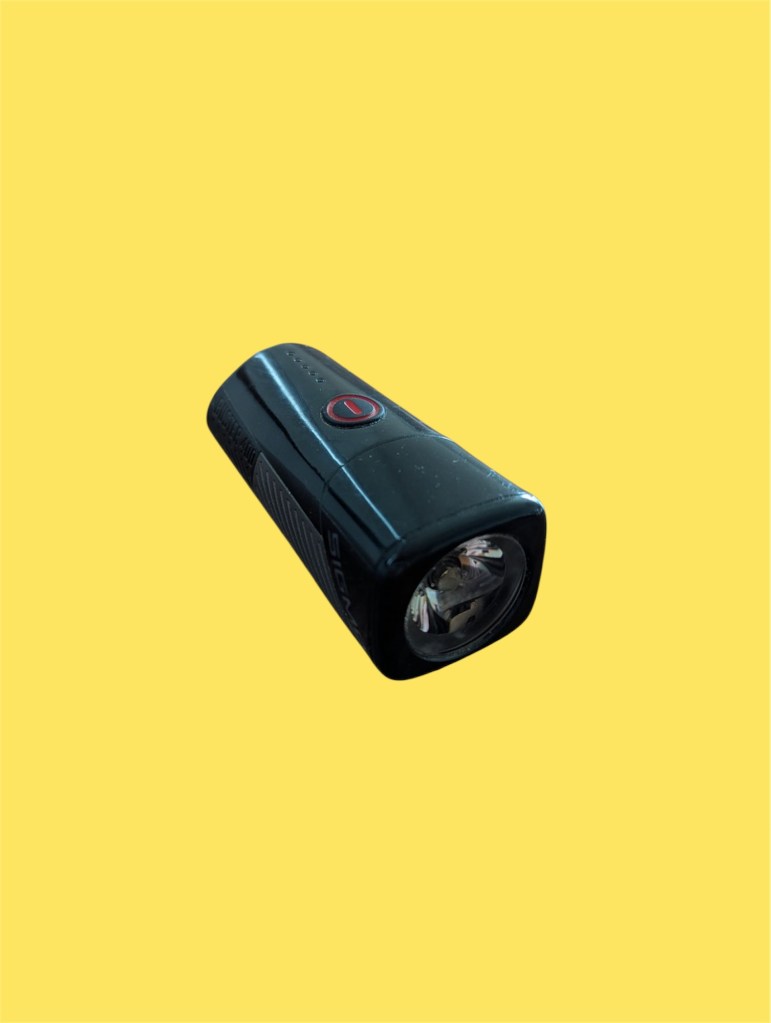
LED flashlight

When to Use a Flashlight?

  • Power cuts: Safely navigate your home
  • Cycling: Light your way at night or during the day (minimum 400 lumens recommended)
  • DIY: Work in dark spaces
  • Camping/Hiking: Cook meals or find your path
  • Emergencies: Signal your location

Water Resistance Ratings

IPX4 minimum= Rain/splash proof


Brightness (Lumens) & Beam Distance

LumensRange
20-10010-30m
100-30030-60m
40060-100m
600-1000+100-200m+

Comparison

TypePowerRuntime
Dynamo50-150 lm15/45 min
USB200-1000+2-10 hours
Batteries50-300 lm1-5 hours

Here’s the clean pricing table in English:

LED Flashlight Price Comparison

TypePrice Range (€)
Hand-crank Dynamo10 – 20 €
USB Rechargeable15 – 30 €
Battery-Powered7 – 15 €

Conclusion: Which Flashlight to Choose?

For everyday use, I prefer dynamo-powered flashlights because:
Affordable (only 10-20€)
Sufficient brightness (50-150 lumens) for most situations
Zero energy costs – just use your arm power!

  • USB rechargeable for frequent And powerful use
  • Avoid battery models (constant battery replacements,not eco friendly)

Hope this short article will help you choose the pocket flashlight that best suits your needs.
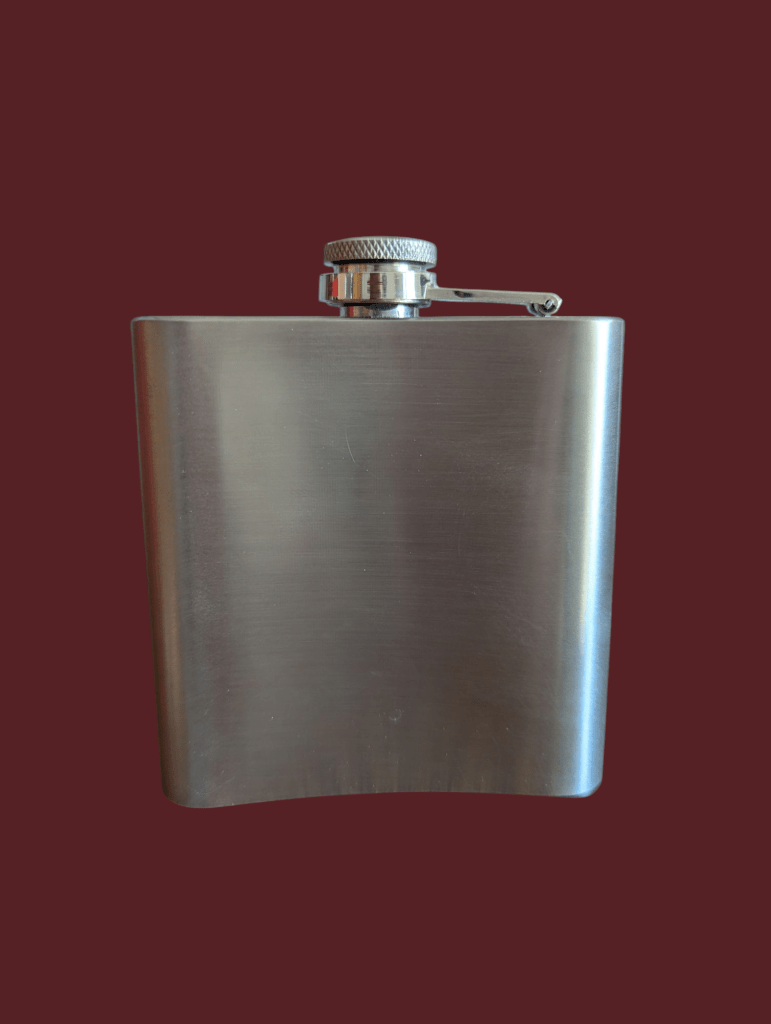
Hip Flask Stainless steel

4 Good Reasons to Use a Hip Flask

  1. Always Stay Hydrated
    With a standard capacity of 170ml, going up to 230ml for larger models – stay hydrated wherever you go.
  2. Save Money, Reduce Waste
    No need to buy a plastic bottle or a can.Using a hip flask helps you save money while reducing your environmental impact.
  3. Compact and Easy to Carry
    Thanks to its lightweight and slim design, the flask fits easily in your pocket or bag.
  4. Stainless Steel: A Healthy Choice
    Stainless steel doesn’t release harmful substances or retain odors – a hygienic and durable solution and it doesn’t rust.

In short: Practical, economical , a hip flask is something you need to have .

Nasal Irrigator


Nasal Rinse: A Natural Way to Breathe Better

Discover how a simple mix of water and salt can clear your nasal passages, remove allergens, and prevent infections—with no side effects!


Why Try Nasal Rinsing?

1. 100% Natural & Safe

Only two ingredients:

  • Sterile water (boiled and cooled)
  • non-iodized salt (gentle on nasal membranes)

No chemicals, no dependency.


2. Key Benefits

Rinsing your nose:

Removes allergens: Pollen, dust, pollution.
Clears congestion: Easier breathing instantly.
Prevents infections: Reduces sinusitis, rhinitis, and bronchitis risks.


How to Do It Right

1. Choose Your Tool

Pick one:

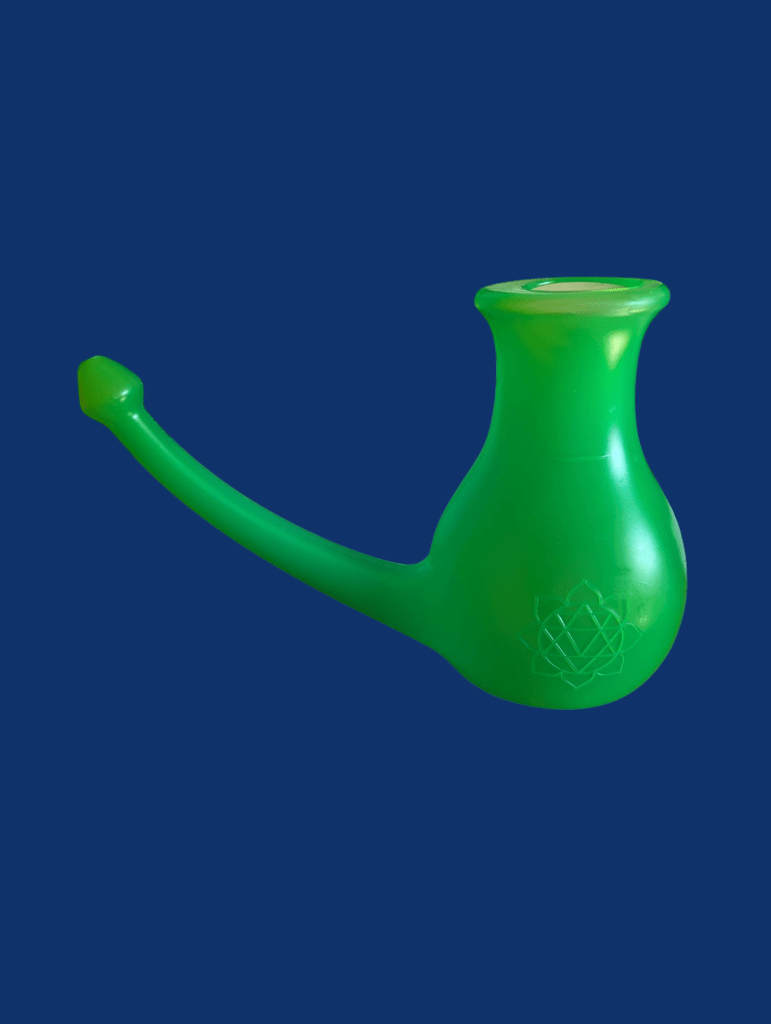
  • Neti Pot (classic ceramic/plastic)
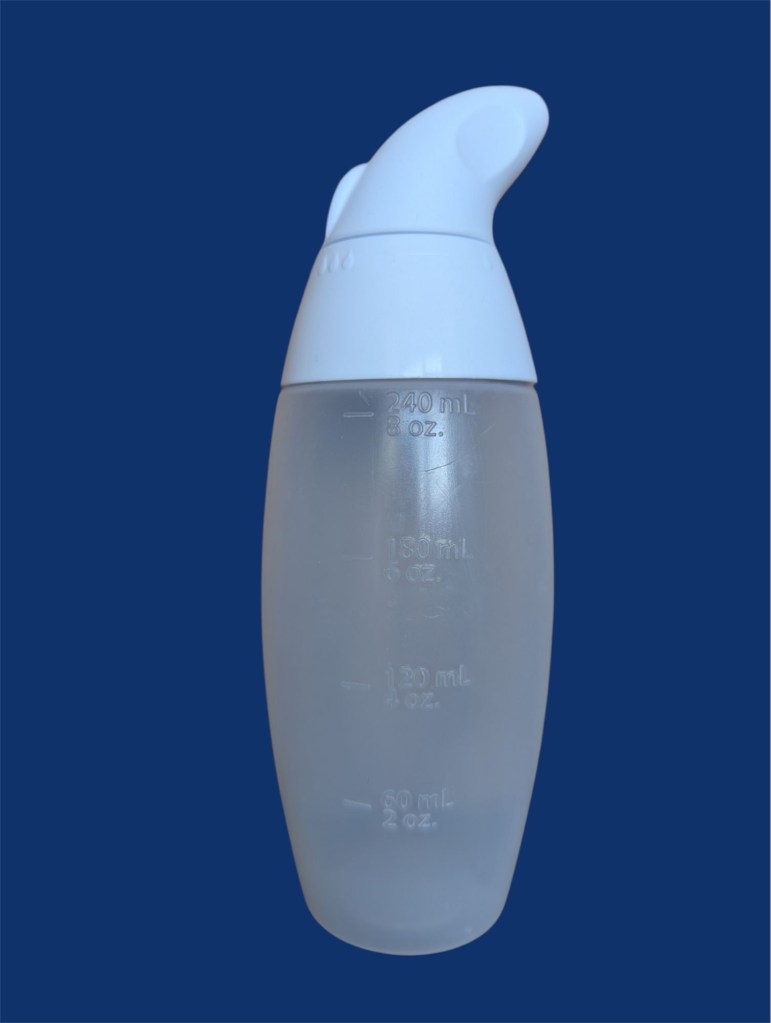
  • Rhino Horn (ergonomic, controlled flow)
  • Squeeze bottle (portable)

Reusable options (like Rhino Horn) save money long-term.


2. Prepare the Solution

  1. Boil water (5 mins), then cool to lukewarm.
  2. Add non-iodized salt (2,25g per 250ml water)Neti salt ,Himalayan Chandra.The best salt i have found!

Never use unboiled tap water (infection risk).


3. Simple Steps

  1. Tilt head over a sink.
  2. Pour gently into one nostril—it drains out the other.
  3. Blow nose softly after rinsing.
  4. Repeat on the other side..

When to Rinse?

  • Prevention: During allergy/pollution seasons.
  • Relief: At first sign of colds/sinus pressure.
  • Maintenance: For daily nasal hygiene.